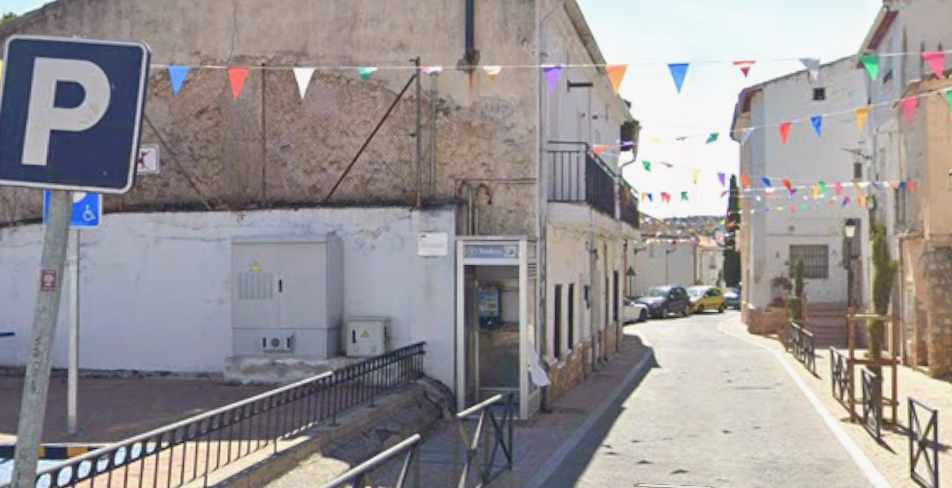
Telephone booths, central to Spanish society since they first appeared in 1928 in Madrid’s Retiro district, have marked decades of communication in the country. These urban icons, which were the first point of contact and communication for many, initially required operators, known as ‘cable girls’. Their mass deployment began in 1963, first in Madrid and Barcelona, before arriving in other cities. At first, they operated by means of tokens, but were adapted in the 1970s to operate with pesetas.
For years, the booths allowed people to contact their loved ones, especially during holidays or when they had been apart for a long time, and were often the only means of communication in towns where not all households had telephones. However, with the arrival of mobile phones in the 90s, the use of telephone booths started to decline. In 2006, there were more mobile phone lines than inhabitants. Today, 88% of Spanish people have either never used a telephone booth, or do not even know what one is, since they have never seen one.