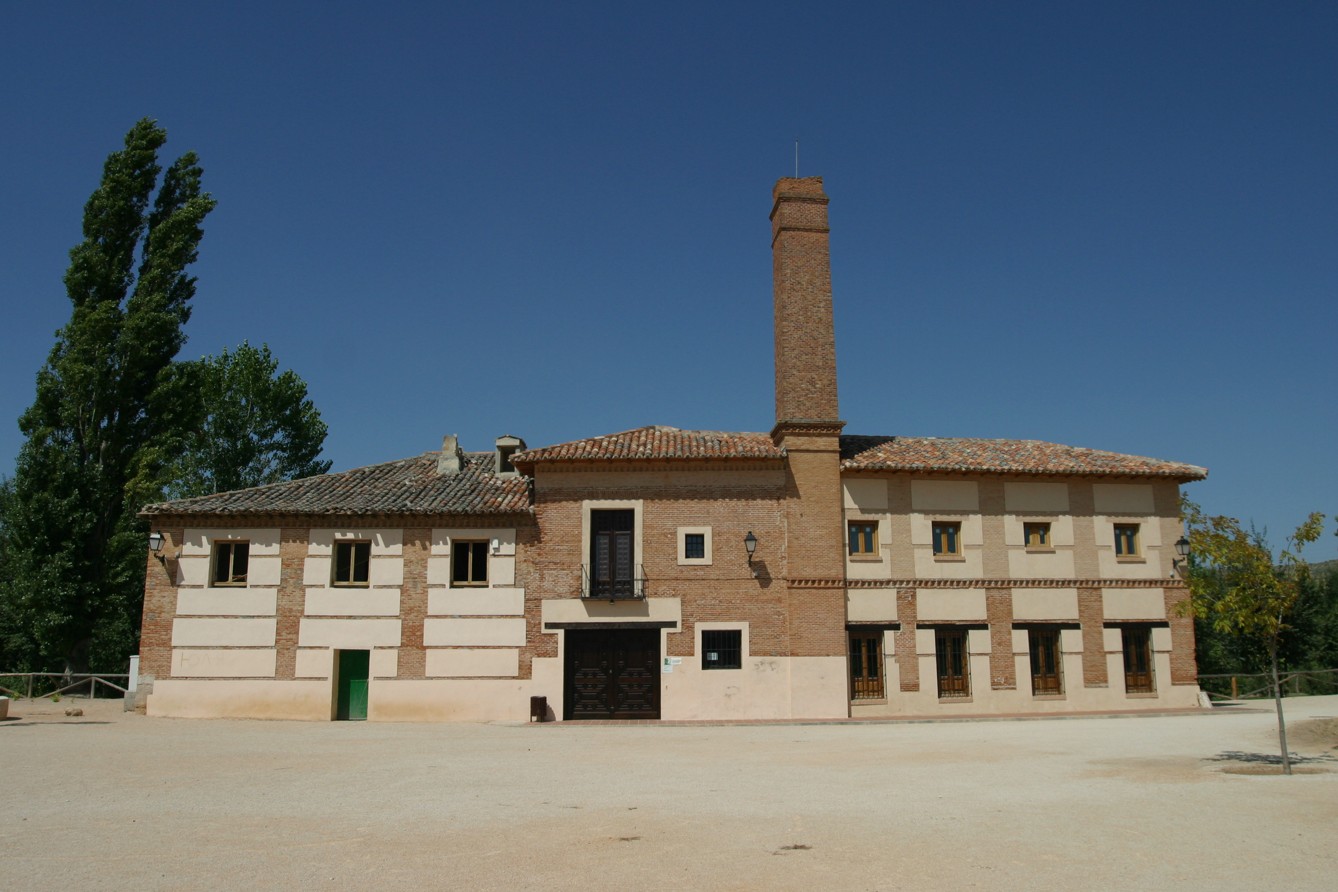
Located in the Mesón El Cid lodging house, this museum, launched by the González Atance family, offers an itinerary divided between two different areas: culture and popular traditions, through its ethnographic collection, and the historical events of the Spanish Civil War and the post-war period.
With more than 40 years of experience dedicated to ethnographic research and exhibition, the museum has put together an extensive collection of objects related to daily life, traditional trades, agriculture and home life in different rural areas of Spain during the 19th and 20th centuries.
More than 20 years ago, the museum added a second collection focusing on the Spanish Civil War and post-war period. This section includes original documents, photographs and objects gathered from different places across Spain, which help to understand the many aspects of the conflict. One of its most special sections is the one dedicated to the Battle of Jarama, one of the most important and deadliest conflicts in the war, which took place in February 1937.
This space offers a double perspective: one of the social and cultural roots of the past, and the other of a key period in 20th-century Spain, with the aim of protecting and sharing this legacy from a documentary, respectful and educational approach.
Monument to Solidarity
Located very close to the junction of the M-302 and M-311 roads in the direction of San Martín de la Vega, 3 km from Morata.
Unveiled on 7 October 2006 for the 70th anniversary of the International Brigades, it was placed there as a tribute to the international brigaders for their fight in the Battle of Jarama in February 1937.
It is the work of brilliant sculptor Martín Chirino, who recently received the honorary title of hijo adoptivo (‘adopted son’) of our town. It consists of two large hands made of Corten steel, holding each other closely.